I dag har jag varit ute på en fantastisk promenad i Bondskärets Naturreservat. Man når naturreservatet enkelt med bil och parkerar lämpligtvis vid den vackra magasinbyggnaden. Den gamla hamnen har används sedan 1600-talet. Här lossades stångjärn från Lövstabruk till Stockholm där det omlastades till större fartyg för vidare transport ut till Europa. För 300 år sedan var vatten nivån C.a 2 meter högre än idag. Nedan är en bild på Järnmagasinet på Bondskär.

Pictures from the Nature Reserve Bondskäret - Ängskär

Bondskärets naturreservat

Naturreservatet bjuder på en sagoligt vacker naturupplevelse. Den mångfald av blommor här växer är fantastisk. Det är en lisa för själen att få ta en promenad en sådan här ljuvlig majdag.  Solen skiner från en blå himmel,  luften är hög och klar och med en angenäm temperatur av sådär en 17-18 grader.

Svenska orkidéer

I Bondskärets Naturreservat växer ett flertal Svenska Orkidér. De är naturligtvis fridlysta så se men inte röra. Jag gillar ju gamla hus och här hittade jag en riktigt vackert gammal ekonomibyggnad. Jag vet inte vad det har används till men jag skulle väl tro att det är för hö eller liknande. 

Here in the reserve you can find a few of the Swedish wild Orchids they are of course placed under protection of the law so enjoy them in the wild ‘in floribus’ but do not touch!

Bondskär, old shed

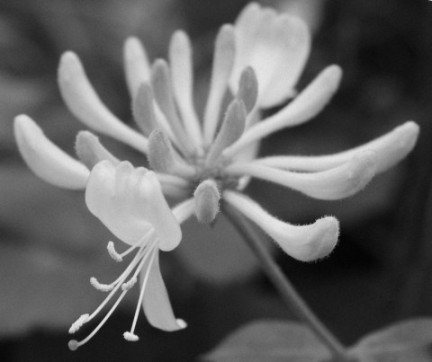
Old shed at Bondskär, another beautiful ‘forgotten building’ for my Old Barn CollectionLiljekonvaljHär ute på Bondskär/Ängskär växer bland annat en av mina favoritblommor lilla söta lijekonvaljen. Lily of the Valley in the Nature Reserv of Bondskär.

Gamla foton från Järnmagasinet på Bondskär samt en karta över Ängskär, dessa bilder finns att se nere vid Järnmagasinet.

Magasinet ÄngskärGammal karta över ÄngskärMagasinet Ängskär

Tyra

Bondskär - Ängskär ligger några mil norr om Lövstabruk i underbara Uppland. Hit kan man åka och promenera året runt det är alltid lika fascinerande vackert. På sommaren kan man även ta ett uppfriskande bad i det klara fina vattnet, det blir sällan riktigt varmt i vattnet men det är skönt, man är ju viking.  

TYRA

Amsterdam

April in Amsterdam, it’s early morning and I’m taking a walk through the quiet street of Amsterdam.

Morning in Amsterdam

It is calm and hardly anyone is out, only the street cleaners, refuse collection folks,  a few people on there way to work. You hear the sounds of heels on the cobbles, a few birds an then nothing.

An early morning in Amsterdam

Amsterdam people are a bike riding people there are thousands of them, the streets are narrow and crowded so thank god that they love there bicycles. It would have been absolutely dreadful with cars.

Tyras Trädgård i mars

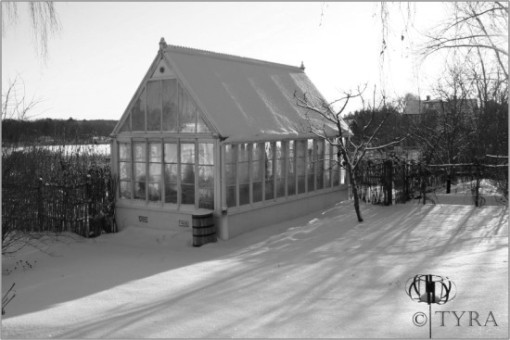
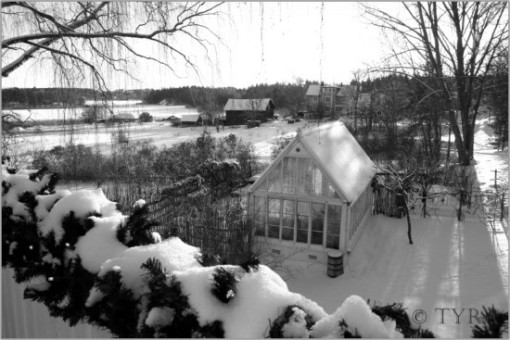
Same, same but different, there are three months between these two pictures. They are in mono-colour but can you see the cool Scandinavian colours in the March picture and can you see the lush green colours of the June picture?

Juni i trädgården

 If you want to here are The pictures in colour in Växthus och Potager.

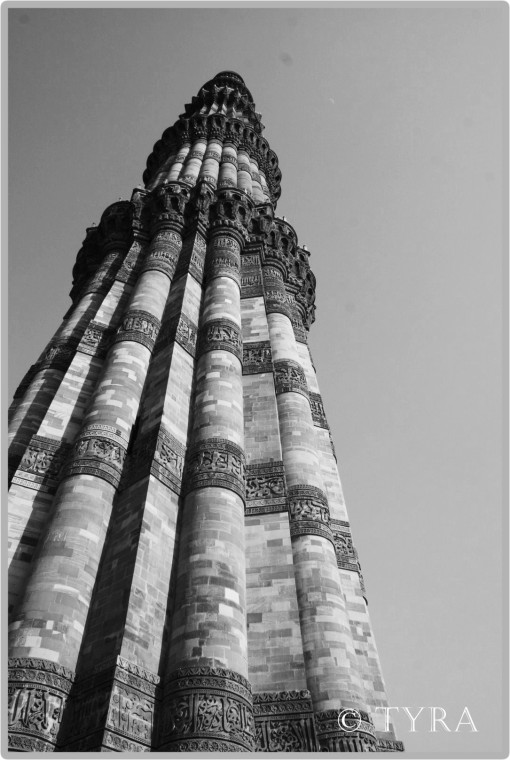
Sikandara

This is from the a most magical place, Sikandara India. I arrive one early evening to look at the Tomb of Akbar. Jajaluddin Muhammad Akbar son of Humayun and grandson of Babar. The sun was just about to set and the evening was warm and quiet. It’s is something about this place, I cannot say what it is…. Indian Feng Shui I suppose. In the garden in front of the building there were a lot of deers, mazingly beautiful peacocks and monkeys, no flowers but a lot of lush trees.    

Akbar the great ruled 1556-1605. He founded a vast empire from Kabul to Assam and Kashmir to Ahmednagar.

Akbar was a polymath: an architect, artisan, artist, armorer, blacksmith, carpenter, construction worker, emperor, engineer, general, inventor, animal trainer (reputedly keeping thousands of hunting cheetahs during his reign and training many himself), lacemaker, technologist and theologian. WOW!

more from my journey to India…….

TYRA

Weighing more than two ton each! How did they do it?Building the Pyramids

How were the pyramids built? This question has puzzled scientist for centuries and still continues to puzzle experts today. To date, there has been no documentation or clues that have given Egyptologists answers about the construction of the pyramids. Because there are many theories and ideas as to how the pyramids were constructed, we will cover the most common theory used in constructing the pyramids.

The most common theory for moving large blocks is to slide logs under the large stones to make mobility easier. The block would have been attached to large ropes with people pushing the block forward.  At the same time several men would remove the last log uncovered by the stone. The end log that was removed would then be transported to the front where it would complete the cycle under the stone and the endless cycle would be repeated.

Tyra by the Pyramids

Another brick in the wall….

When the Great Pyramid of Egypt was built it was 146 meters (438 feet) high. Time has worn the pyramid down by 10 meters (30 feet) and it still continues to erode. The pyramid was once covered with limestone that was painted a bright red color. The sides of the pyramid are carefully positioned to point north, south, east, and west. The base of the pyramid has sides that measure 227 meters (681 feet) in length. It was designed so accurately that the error margin between the sides is less then 1 percent.The pyramid is made up of approximately two million blocks of limestone with each weighing more then two tons. It belonged to the Pharaoh Khufu and once held his body. Today, this pyramid is the last wonder of the world that is still standing.


The Pyramids

The pyramids on the Giza plateau. There are many other objects that surround these monstrous masses. Such structures include: boat pits, Queen’s pyramids, mortuary temples, valley temples, mastabas, and the famous Sphinx.

The Sphinx

Text and facts from KingTutOne

Pictures by Tyra

This is Lola and her Lily.

Lily Lola

My name is Lola

Lola by the Sea, the photo is taken in Brazil, she wasn’t to happy about the shot - can you tell?

Lily

The Lily with a twirl.

Det här är den fina klockstapeln i den lilla orten Åkerby i Norra Uppland.

The Clocktower in Åkerby

RYSSHÄRJNINGAR
Sommaren år 1719 blev ödesdiger för Åkerby och många andra bruk och byar i Uppland. I det stora nordiska krigets slutskede anföll ryssarna den svenska ostkusten, för att på tsarens order härja och bränna så mycket som möjligt. Den 26 juli brändes Åkerby bruk  ned , masugnen förstördes , lika så hammarsmedja, mjöl- och sågkvarn samt nio bondgårdar. Tänk om allt det hade funnits kvar idag…..men ack nej. Men ‘ryssen’ finns.

Läs mer om Åkerby i Tyras Trädgård

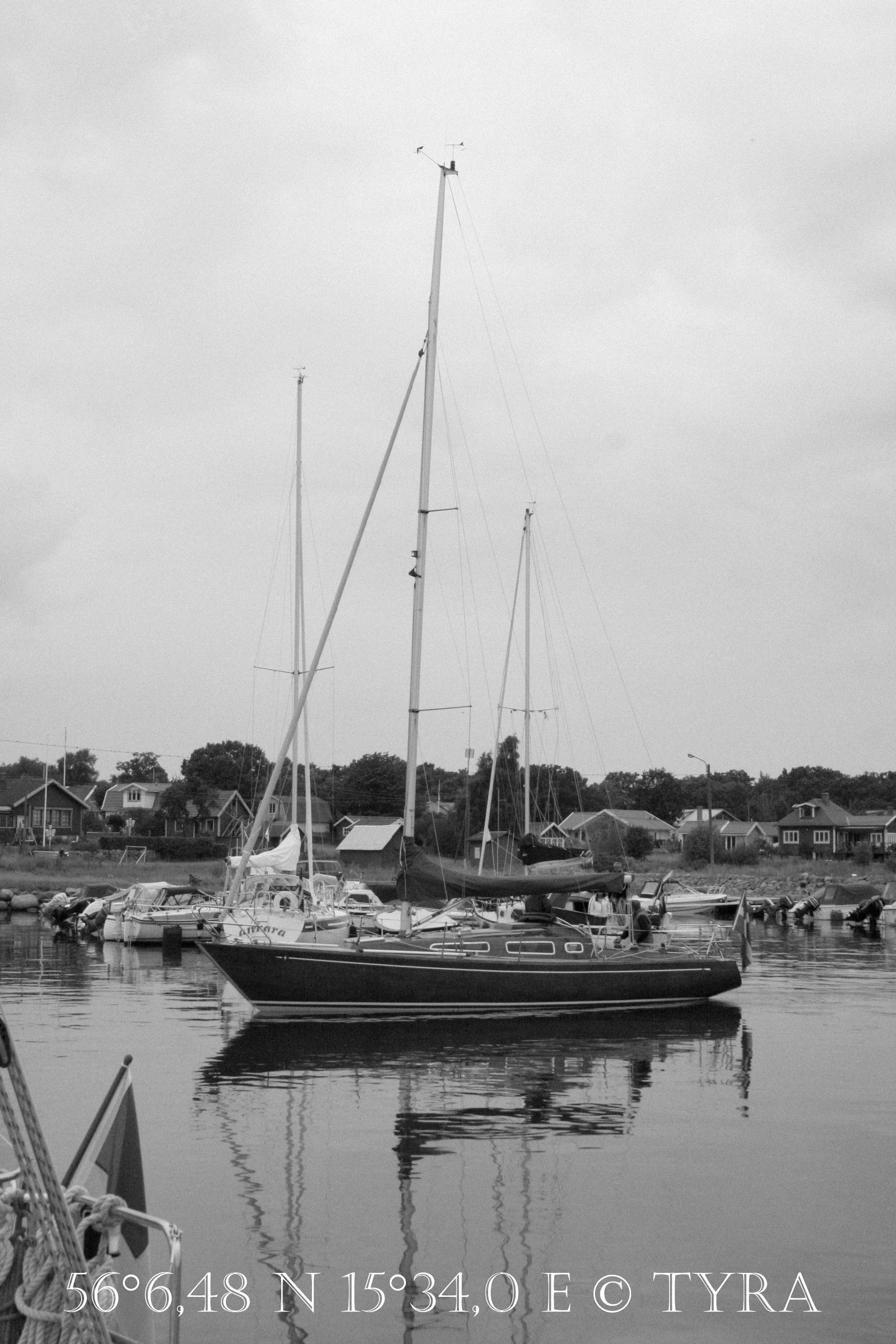
Dagens sista väderleksrapport, kulingvarning. Väl förtöjda ligger vi i en skyddad vik. Bilder ifrån Dänholmen, Stockholms skärgård. Nu blev det ingen kuling (meteorologen är en fuling) den natten och det blev en förtrollande vacker morgon.

Kulingvarning

Goda grannar i viken på Dänholmen.

Hat and Wine

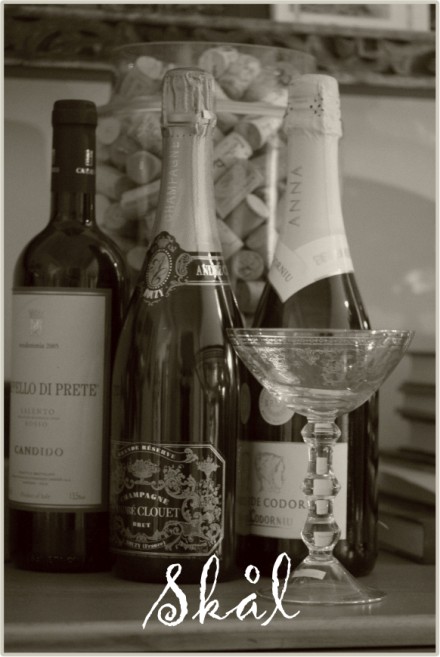
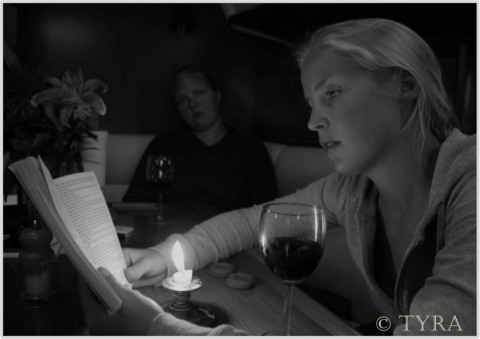
Ett glas vin i solnedgången. Shiraz ovan och Shiraz II nedan.

59.03.00 N - 18.32 00 E

Välförtöjd inför annalkande kuling.

Dänholmen, Stockholms Skärgård

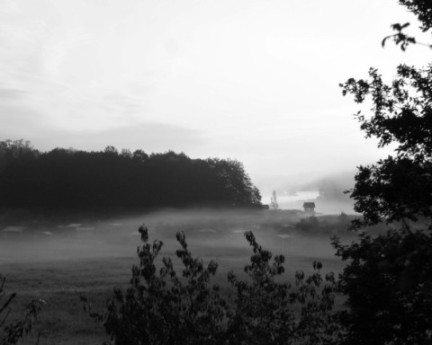
Morgon dimmorna smeker öarna och inte ett ljud hörs. Tystnad…..

Navigare Necesse Est / TYRA

Vaxholm en liten pärla till stad. ‘Skärgårdens huvudstad’ -  en småstadsidyll.    

Vaxholms Kastell

Ångbåtens dag

Vaxholm badar i sommarens sol, ångbåtarna ligger vid kaj nedanför Vaxholms Hotell. 

Vaxholms Rådhus

Rådhuset i Vaxholm en tidig morgon i juli.

Vaxholms Kastell

Vaxholms Kastell bilden är tagen 2007 på Skärgårdsbåtens dag.

Vaxholms stad och kommun omfattar 112 kvadratkilometer land och vatten och breder ut sig över 64 öar. Flera av dessa är numera bundna till fastlandet med broar. Totalt bor 10.000 människor i kommunen, på sommar fördubblas innevånarantalet. Huvudön är Vaxön med ca. 5.000 innevånare, kommuncentrum och har det mesta av affärer och service. Där finns bland annat apotek, systembolag, banker och diverse affärer bland annat mycket bra optiker. Under flera år har Vaxholm varit den kommun i Sverige som ökat mest i folkmängd och staden växer fortfarande. Det är ju i och för sig trevligt men det innebär samtidigt att huspriserna far i höjden. Ungdomarna har inte råd att skaffa sig ett boende i kommunen. Aj, nu blev det politik, det var inte meningen. / Tyra

Shed in October

Barn in the field just outside Skärplinge,  Sweden.

Shed

Fall, the harvest is done, it is quiet and the barn stands in solitude in the field. Only the wind and the rain knocks on the door.

Old Shed

All these beautiful barns or sheds are from the northern part of Uppland. The pictures are taken in October 2007. They are standing alone in the fields and ageing beautifully. They are all painted with  a special paint from Dalarna called “Red from Falun” Faluröd.

October photos of sheds.

A barn in the field, Uppland, Sweden